
How to Protect Your Eyes and Skin During Permanent Makeup Procedures
Eyeliner tattoo can be safe when done in a clean salon by a trained artist. The eyes are very sensitive, so small mistakes can cause pain, infection, or poor results. Safety starts with proper training, clean tools, quality pigments, and clear aftercare steps. If a salon follows strict hygiene rules and screens clients for health issues, the risk of problems is much lower.
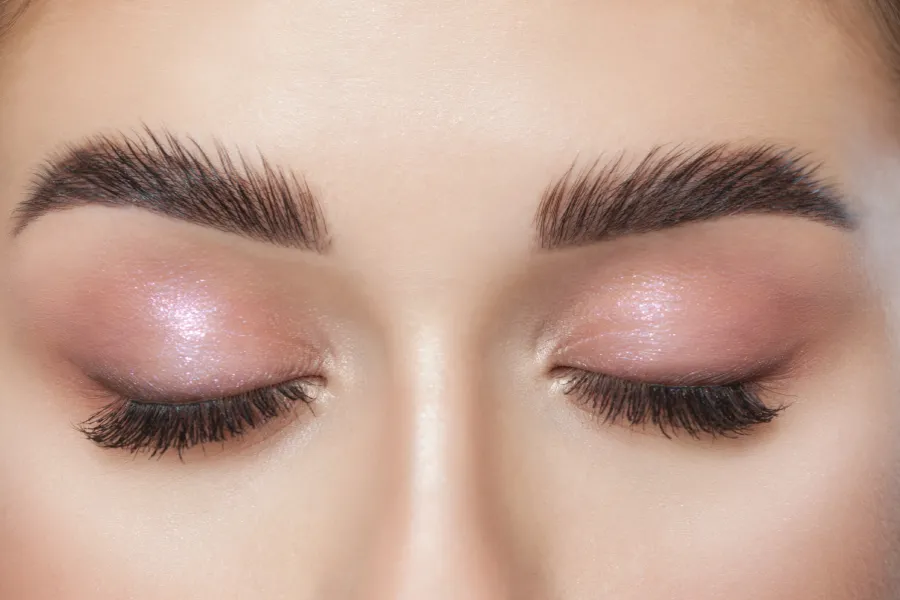
Why Prevention Matters
Your eyelids have thin skin and sit close to the eye surface. Any bacteria, low-grade pigment, or rough handling can lead to swelling or infection. Unlike regular makeup, eyeliner tattoo places pigment into the skin. That means healing takes time. Preventing problems is much easier than fixing them later. A small step like washing hands or using sterile needles makes a big difference.
Early Warning Signs of a Problem
After the procedure, mild redness and swelling are normal for a day or two. But some signs mean something is wrong. Clients and artists should watch for symptoms that last too long or get worse.
- Severe swelling after 48 hours
- Yellow or green discharge
- Sharp, increasing pain
- Fever
- Blurred vision that does not clear
If any of these happen, medical care may be needed. Fast action can stop a small infection from becoming a serious issue.
Routine Safety Checklist for Salons
Beauty salons should follow a simple safety routine before every eyeliner tattoo appointment. This keeps both the client and the artist protected.
- Wash hands and wear new disposable gloves.
- Use sterile, single-use needles.
- Open pigment caps in front of the client.
- Disinfect all surfaces and tools.
- Check the client’s health history form.
- Do a patch test if needed.
Clients should also come to their appointment with clean skin and no eye makeup. Contact lenses must be removed before the procedure. These small actions lower the risk of irritation.
Best Practices for Long-Term Results
Good safety does not stop when the session ends. Aftercare is just as important. The skin needs time to heal and lock in the pigment.
Artists should give clear written and verbal aftercare steps. These often include:
- Keep the area clean and dry
- Avoid rubbing or scratching
- Skip eye makeup for at least one week
- Avoid swimming pools and hot tubs
- Use only approved healing ointment
Sun exposure can fade pigment over time. Wearing sunglasses outdoors helps protect the color. Clients should also attend touch-up visits if advised. A proper touch-up keeps the eyeliner tattoo even and well-shaped.

What Not to Do
Some mistakes increase the chance of poor results or health problems. Both clients and salons should avoid unsafe shortcuts.
Do not choose a salon based only on low price. Cheap services may skip proper training or sanitation. Do not use expired pigments. Do not perform eyeliner tattoo on clients with eye infections, recent eye surgery, or certain medical conditions without medical approval.
Clients should not peel scabs during healing. Pulling at the skin can remove pigment and cause scarring. It is also risky to wear mascara too soon after the procedure. Patience leads to better final results.
When to Schedule Professional Help
Sometimes extra care is needed. People with diabetes, autoimmune disorders, or a history of keloid scars should speak with a healthcare provider first. Anyone who has had LASIK or other eye surgery should wait until fully healed.
If an eyeliner tattoo result looks uneven or fades too quickly, a trained professional can adjust it during a touch-up session. Attempting to fix it at home or going to an unlicensed provider can lead to more damage.
Professional Eyeliner Tattoo Services in Your Area
At Infinity Beauty Spa Tukwila, we provide safe eyeliner tattoo services for clients in Tukwila, WA. We follow strict cleanliness standards and use sterile, single-use tools for every appointment. Our team focuses on careful technique and clear aftercare guidance so our clients feel confident about their results. If you have questions or want to book a consultation, call us at (206) 212-0777 and we will be happy to help.